
How to Choose the Best Timber Fence for Your Property in Durban
Thinking about putting up a fence around your home or property? Before you get started, it’s worth considering a few key factors that can make a real difference to the final result. The style you choose, the materials you pick, and even the way you install your fence will all influence not only how it looks, but how well it stands the test of time.
For many property owners in the greater Durban area, timber fencing remains one of the most practical and attractive options. Timber blends naturally with outdoor spaces, provides strong structural support, and works well in both residential and rural environments.
But with so many fencing styles and materials out there, how do you know which one is right for your property?
In this guide, you’ll discover the different types of timber fencing, how to decide between privacy and boundary fencing, and why picking the right treated poles matters for any fencing project in KwaZulu-Natal.
Why Timber Fencing Is a Popular Choice in Durban
Timber fencing has a long history in Durban and the Upper Highway area. Its popularity comes from how versatile it is. Whether you want a decorative garden fence or something strong enough for a farm, timber can do the job.
Durban’s warm, humid climate is another big factor to think about. Outdoor materials in this region need to handle plenty of sun, rain, and moisture. Treated timber holds up well here, especially if it’s installed correctly, and can last for years to come.
Timber fencing also offers:
- A natural look that suits most gardens and landscapes
- Strong support when paired with treated poles
- Flexibility for custom designs and layouts
- Easy repairs if individual picket panels or rails need replacing
Because of these advantages, many homeowners searching for fencing solutions also look for poles for sale in Durban, since treated timber poles form the foundation of most timber fencing structures.
Types of Timber Fencing
Before you make a choice, it helps to get to know the most common timber fencing styles. Each one has something different to offer, depending on what you need for your home or property.
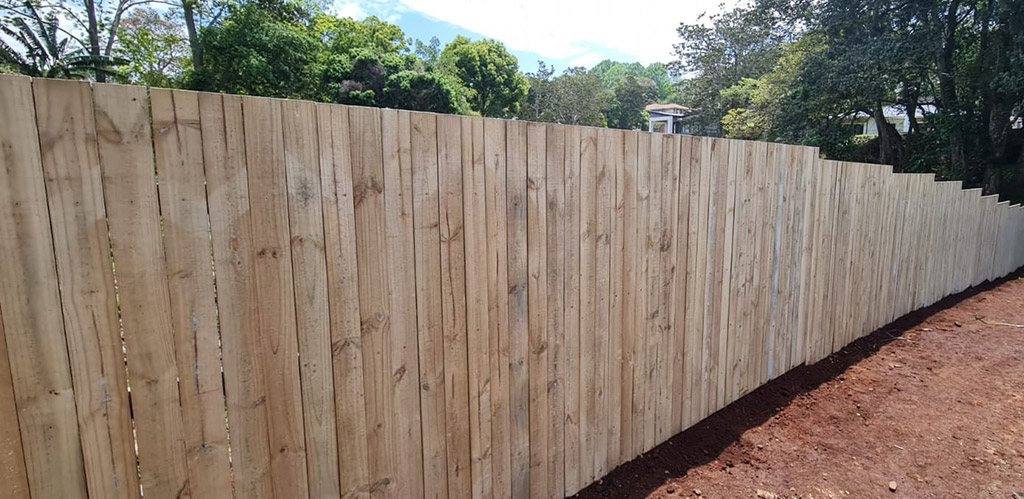
Solid Picket Panel Fencing
Solid picket panel fencing is designed to provide privacy and security. The panels are installed closely together, with no gaps between them.
This type of fencing is ideal for:
- residential boundaries
- backyard privacy
- separating neighbouring properties
It gives you a solid barrier for privacy, but still keeps that natural timber look many people love.
Post and Rail Fencing
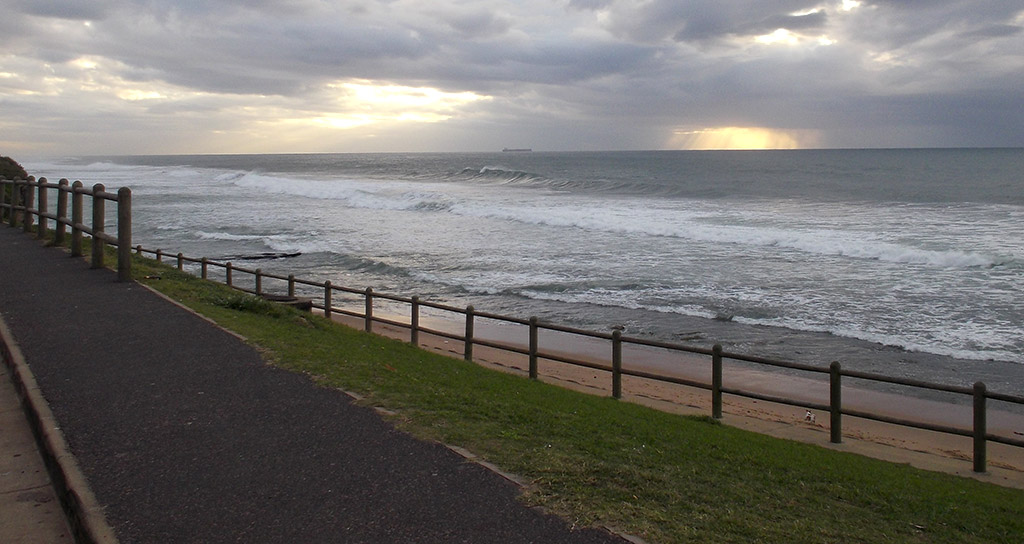
Post-and-rail fencing is commonly used on larger properties and smallholdings. Instead of solid picket panels, horizontal rails are attached between vertical poles.
This style is often used for:
- farms and paddocks
- large residential properties
- defining property lines
Post-and-rail fencing marks out your property lines without blocking the view, making it a great choice for open spaces.
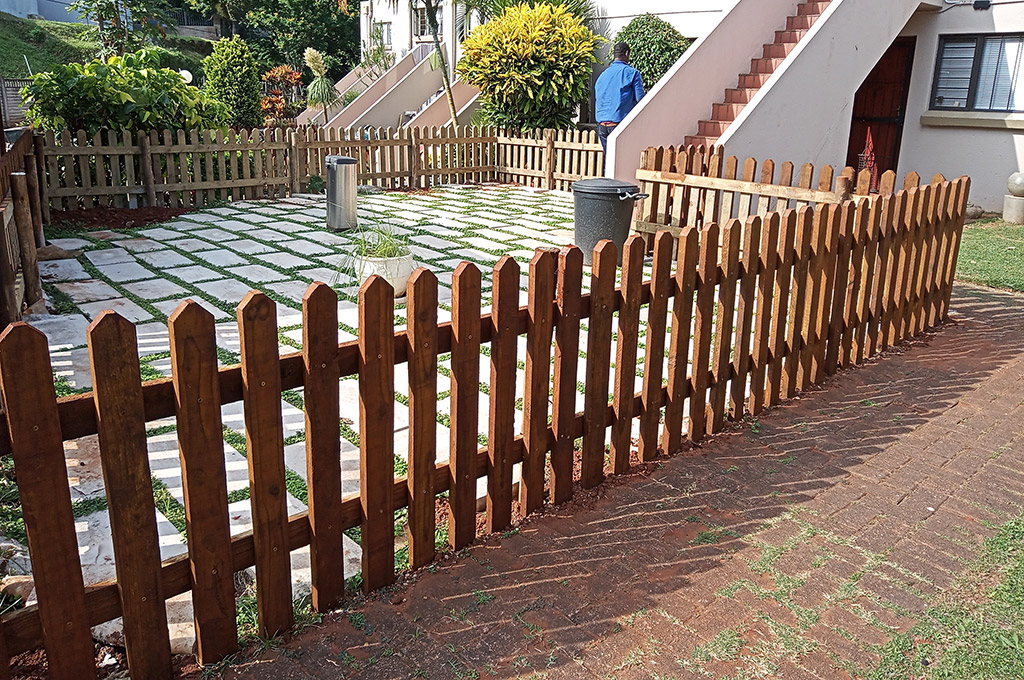
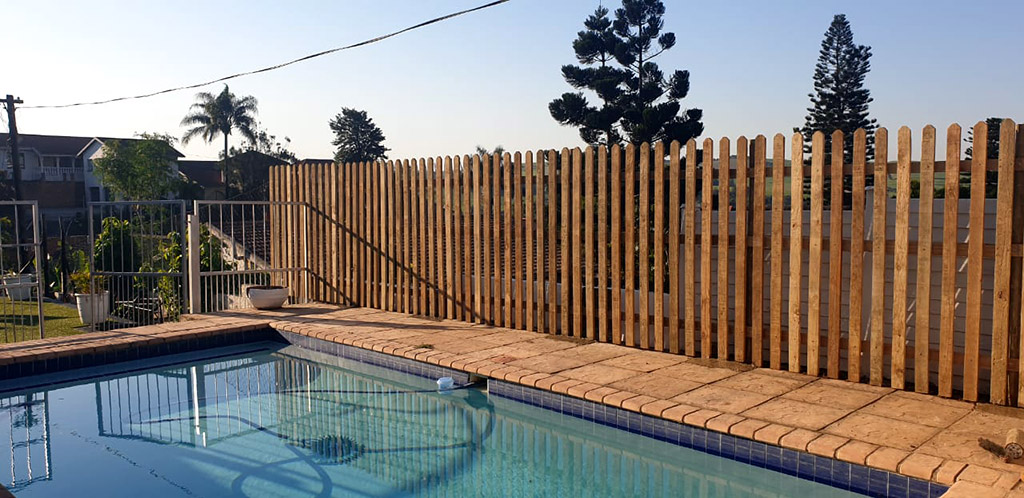
Picket Fencing
Picket fencing is often chosen for decorative purposes. It is commonly installed around gardens, swimming pools, or driveway entrances.
Picket fencing offers:
- a classic and attractive appearance
- a clear boundary without fully enclosing the space
- a practical option for front gardens
Each fencing style has its own purpose, so take a moment to think about what matters most to you before making your decision.
Privacy Fencing vs Boundary Fencing
When choosing a timber fence, one of the most important decisions is whether you need privacy fencing or simple boundary fencing.
Privacy Fencing
Privacy fencing is designed to block visibility. It is typically used in backyards or areas where homeowners want to create a private outdoor space.
Solid picket panel fencing is usually the best option for this purpose because the panels are installed closely together.
Boundary Fencing
Boundary fencing is primarily used to define the edge of a property. It may not need to block visibility completely.
Post-and-rail or spaced timber fencing is often used for this purpose because it clearly marks the property line while maintaining an open appearance.
When you know what you want your fence to do—whether it’s privacy, security, or just marking a boundary—you’ll find it easier to pick the best design for your needs.
Garden Fencing vs Property Fencing
Another consideration is whether the fence is intended for a small garden area or the full property boundary.
Garden Fencing
Garden fencing is usually lower and more decorative. It may be used to:
- protect plants
- create sections within a garden
- enclose a small outdoor space
For this, picket fencing or short timber fencing can add just the right touch.
Property Fencing
Property fencing is usually stronger and taller because it forms the main boundary around a property.
When a fence is properly designed and built, it provides reliable security, durability, and long-term performance.
Many people planning a fencing project also search for poles for sale, as the overall strength of a fence depends largely on the quality of the supporting poles used in the structure.
Why Treated Poles Matter in KwaZulu-Natal
One of the most important parts of a timber fence is the pole that supports it. Without strong poles, even the best fencing materials will not last.
In Durban and throughout KwaZulu-Natal, treated timber poles are essential because they are designed to resist moisture, insects, and decay.
CCA-treated poles are commonly used because they offer protection against:
- termite damage
- fungal growth
- moisture penetration
- long-term weather exposure
Durban Poles supplies treated timber poles that meet industry standards and are suitable for outdoor use, including fencing, jungle gyms, and landscaping projects.
Since the poles hold up the whole structure, picking good-quality ones is one of the most important choices you’ll make when planning your fence.
DIY Fencing vs Professional Installation
Another factor to consider is whether you plan to install the fence yourself or hire professionals.
DIY Fencing
DIY fencing might be perfect if you enjoy hands-on projects or have a smaller property. Lots of homeowners prefer to buy their own treated poles, slats, and accessories, then get stuck in and build their own fence.
DIY fencing allows you to:
- manage your own schedule
- control project costs
- customise the design
A properly installed fence will be stronger and last longer.
Professional Fence Installation
For larger properties or complex fencing layouts, professional installation may be the better option.
Experienced installers understand:
- Proper pole spacing
- Correct installation depth
- How to work with different soil conditions
This way, your fence is more likely to stay strong and level for years to come.
Choosing the Right Materials for Your Fence
Whether you choose DIY fencing or professional installation, selecting the right materials will determine how well the fence performs.
Key materials include:
- treated timber poles
- fencing slats or solid picket panels
- brackets and fasteners
- Wood preservatives if required
When looking for poles for sale in Durban, it is important to choose a supplier that offers properly treated timber suitable for outdoor construction.
Final Thoughts
Choosing the best timber fence for your property is about more than just picking a style. Think about what you want your fence to do, the materials you’ll use, and how Durban’s unique weather might affect your choice.
Timber fencing remains one of the most reliable and attractive options for both residential and agricultural properties. With the right design and properly treated poles, a timber fence can provide security, privacy, and long-term durability.
If you’re planning a fencing project, taking a little extra time to choose the right materials and style will help make sure your new fence does exactly what you need—and stands strong for years to come.
Planning a fencing project?
From picket fencing and garden edging to post and rail, we supply DIY materials and handle full installations across KwaZulu-Natal. All our timber is SABS and ISO 9001 approved.