
What it is used for, how it is sold, and what to check before you buy
Shadecloth is the type of material you tend to underestimate until you need it. It’s cheap relative to what it does, it goes up quickly, and it solves a surprising number of problems; from keeping cars cool to screening a building site and protecting seedlings from the sun. If you are looking to purchase and/or install shadecloth in Durban, this guide of ours should cover the common uses, specs that matter, and how to install it properly so it lasts.
What shade cloth in Durban is typically used for
The same roll of material ends up serving very different purposes. The most common are:
- Carports and vehicle shade – a simple timber frame with shadecloth over it keeps a car noticeably cooler and protects paintwork and dashboards from sustained UV rays
- Windbreaks – filtering wind rather than blocking it, which is what makes shade cloth more stable than a solid panel in exposed positions
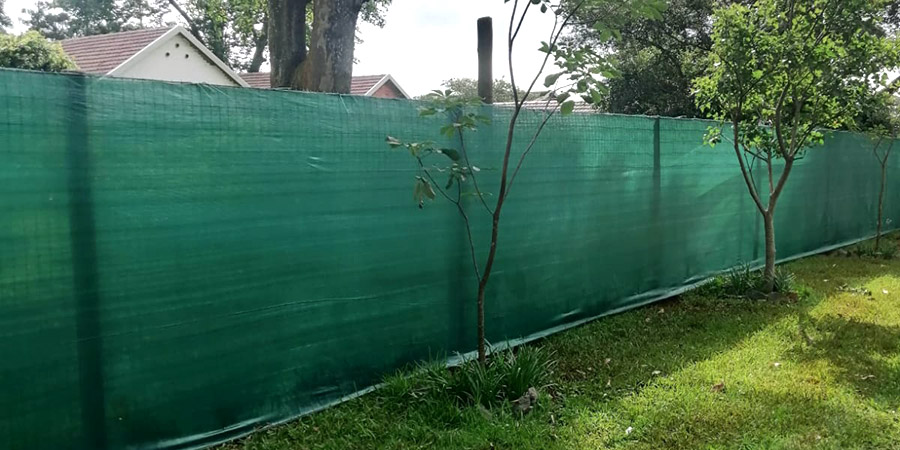
- Screening and privacy – closing off a service area, a bin store, a pool pump or a boundary section
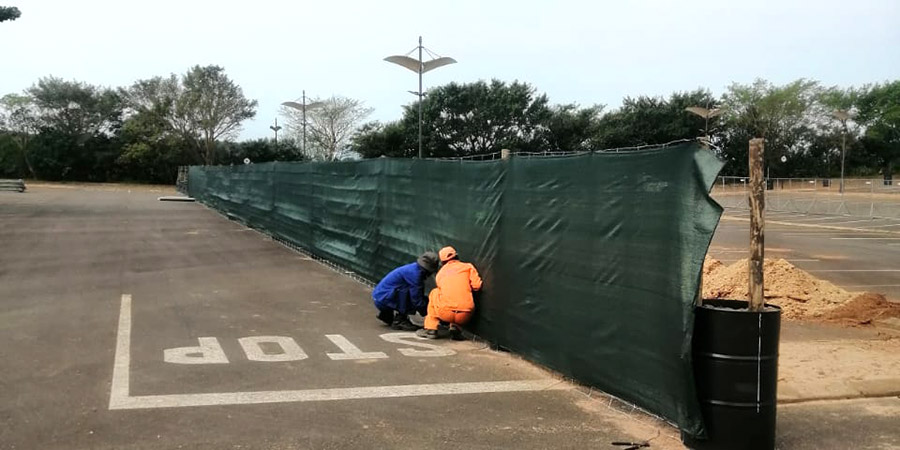
- Construction site fencing – screening an active site and keeping dust and debris contained
- Reservoir and tank covers – reducing evaporation and limiting algae growth
- Farming – shade shelters for cattle and sheep, which matters a great deal in KZN summer heat
- Nurseries and DIY growing – protecting house plants, pot plants, ferns and seedlings from direct sunlight
Why shade cloth works well in Durban’s climate
Durban gets strong, direct sun for most of the year, and summer humidity makes heat feel worse than the thermometer suggests. Shadecloth addresses that in a way a solid roof does not: it cuts the sun while still letting air move through. A solid carport roof traps hot air underneath it. Shade cloth lets hot air escape.
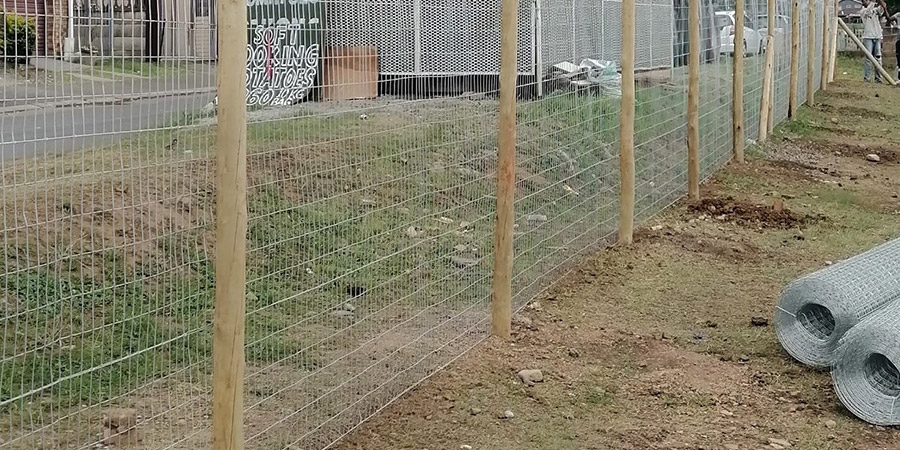
Wind matters, too. Along the coast and on exposed North Coast plots, a solid screen acts like a sail and puts enormous load on its supporting structure. Shadecloth lets air pass through, which means less strain on the poles and far less chance of a structure being blown over in a storm.
Shade factor, height and how it is sold
Two specifications do most of the work when choosing shade cloth.
Shade factor is the percentage of sunlight the material blocks. Here at Durban Poles, we stock 80% shade factor cloth, which suits the majority of uses – carports, animal shelters, screening and general shade. Lower percentages let more light through and suit plants that need partial sun; higher percentages are for situations where you want near-total shade.
Height determines what you can cover without joining. Our rolls are 1.8m high in dark green, and are sold by the metre and cut to any length you need. For a boundary screen or site fence, 1.8m is usually exactly right. For a wider carport span, cloth is joined or a wider structure is designed around the available width.
Installing shade cloth on a timber structure
Shade cloth is only as good as what holds it up. In practice that usually means CCA-treated timber poles, and the same installation principles apply as for any timber structure in this climate: poles set at a sensible spacing, buried deep enough for stability, and installed so that moisture can drain away from the base rather than pooling against it.
Tension matters, too. Shade cloth that is too slack will flap, and flapping is what tears at the fixed points over time. It should be pulled relatively tight and tied at regular intervals rather than just at the corners.
Because timber in a coastal environment needs to be properly preservative-treated, it is worth getting the structure right first. A cloth cover is straight-forward to replace in a few years; a rotted pole is not.
What to check before buying shade cloth in Durban
Measure the span, not just the area. Knowing you want to cover 20 square metres is less useful than knowing the shape. A long narrow run and a square area need different amounts of cloth and different structures.
Decide how permanent it needs to be. A construction screen that comes down in eight months and a carport meant to last a decade justify different levels of investment in the supporting frame.
Think about wind exposure. Exposed coastal and ridge-top positions need closer pole spacing and firmer installation methods than a sheltered courtyard.
Account for fixings. Cloth needs something to attach to and something to attach with. DIY Accessories are easy to forget until the day you are installing.
Check what you are actually being sold. Shade factor and height should be stated, not implied. If a supplier cannot tell you the shade percentage, they may not know.
A note on monkeys and garden screening
One of the questions we get asked most is whether shade cloth can be used to protect a garden area from monkeys, which is a genuine and constant issue in many eThekwini suburbs. It can help, particularly for enclosing a specific area such as a vegetable patch or a nursery section, though expectations need to be realistic about what any screen achieves with an animal as capable as a vervet monkey.
We cover that in more detail in our guide to monkey proofing in Durban.
Ordering shadecloth in Durban
Shade cloth is sold by the metre off the roll, so you only pay for what you need. If you are combining it with a structure, it makes sense to work out the poles, the cloth and the miscelaneous DIY accessories together rather than in separate trips – our shadecloth page lists what we carry, and our gallery shows completed timber structures.
If you can tell us the span, the position and what you are trying to achieve, we can advise on quantity, shade factor and the supporting structure in one conversation. Contact Durban Poles and we will help you work it out!
Need shadecloth for your project?
We stock 80% shade factor shadecloth, 1.8m high, cut to any length - for carports, windbreaks, screening, nurseries and construction sites in and around Durban. Treated poles and fixings available with it.